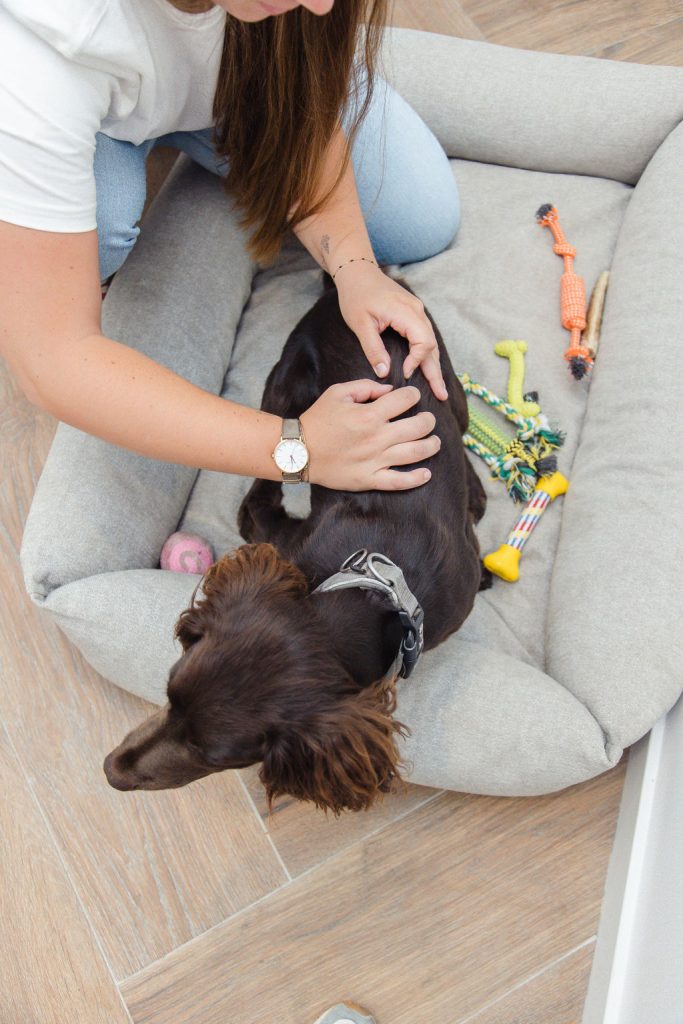
Canine osteopathy is now firmly established as a gentle, natural approach to the well-being of dogs, but it goes far beyond simply managing pain or functional disorders. In fact, this manual therapy also applies to prevention, stress management and improving the animal's overall quality of life. Find out more about our canine osteopathy service.
A stressed or anxious dog may show its unhappiness through unusual behaviour: aggression, excessive fear, incessant barking, or even self-mutilation. This stress may be the result of poor adaptation to the environment, latent pain or past trauma. Osteopathy, by re-establishing good energy circulation in the body, can play a significant role in reducing stress and encouraging more balanced behaviour.
The osteopath's specific manipulations act on the dog's nervous system, promoting better stress regulation. Many owners notice a marked improvement in their dog's behaviour after a few osteopathic sessions, with calmer dogs that are more at ease in their paws.
Working dogs (guard dogs, police dogs, rescue dogs) and sporting dogs (agility, canicross, etc.) place intense demands on their bodies. Osteopathic preparation can therefore be beneficial in optimising their performance and avoiding injury. Before a competition or a period of intense work, the osteopath can prepare the dog by working on its posture, flexibility and muscle strength.
After an event or prolonged effort, an osteopathic session promotes faster recovery by helping to release muscular tension and restore blood circulation.
Osteopathy is also a valuable aid for older dogs or those nearing the end of their lives. Senior dogs are often prone to osteoarthritis, stiffness and a progressive loss of mobility. Although osteopathy cannot cure these degenerative diseases, it can help relieve pain and improve day-to-day comfort.
By working gently on joints, muscles and tissues, osteopaths can help older dogs regain some of their flexibility and mobility, greatly improving their quality of life. This support can also soothe dogs at the end of their lives by providing them with a caring and respectful accompaniment, thereby reducing their discomfort.
Canine osteopathy is not limited to relieving specific pains. It also helps to boost your dog's immune system. By promoting harmonious blood circulation and proper distribution of body fluids, the osteopath helps to stimulate the body's natural defences.
A body in balance works better to fight infection, resist disease and maintain vitality. Osteopathy is therefore an ally in improving your dog's general well-being, even in the absence of any particular problem.
Osteopathy is not a substitute medicine, but an effective complement to traditional veterinary care. It is particularly useful after surgery or during prolonged drug treatment. Certain osteopathic manipulations promote the elimination of toxins and the proper functioning of organs, which helps to reduce the side effects of medication.
Dogs that have undergone surgery often require body adjustments to restore balanced posture. The osteopath can intervene to prevent the onset of secondary pain due to post-operative muscular and ligament tension.
Canine osteopathy is not limited to dogs already suffering from pain or disorders. It is also a preventive method for avoiding injuries and mobility problems. Regular osteopathic treatment can detect minor blockages or tensions before they become real problems. For example, a dog that begins to develop a slight asymmetry or poor posture may benefit from osteopathic treatment to prevent this anomaly from worsening and causing long-term pain.
Osteopathy therefore acts preventively, correcting subtle imbalances and enabling the body to maintain fluid mobility.
In conclusion, canine osteopathy is much more than just a therapy for physical pain. By promoting the body's overall balance, it improves general well-being, helps prevent injury and illness, and supports dogs at different stages of their lives. Whether it's for a sporting dog, a senior or a stressed animal, osteopathy offers valuable support that complements traditional care.
Consulting an osteopath for your dog means giving him the chance to live better, longer and with optimum comfort.
To provide the best experience, we use technologies such as cookies to store and/or access device information.